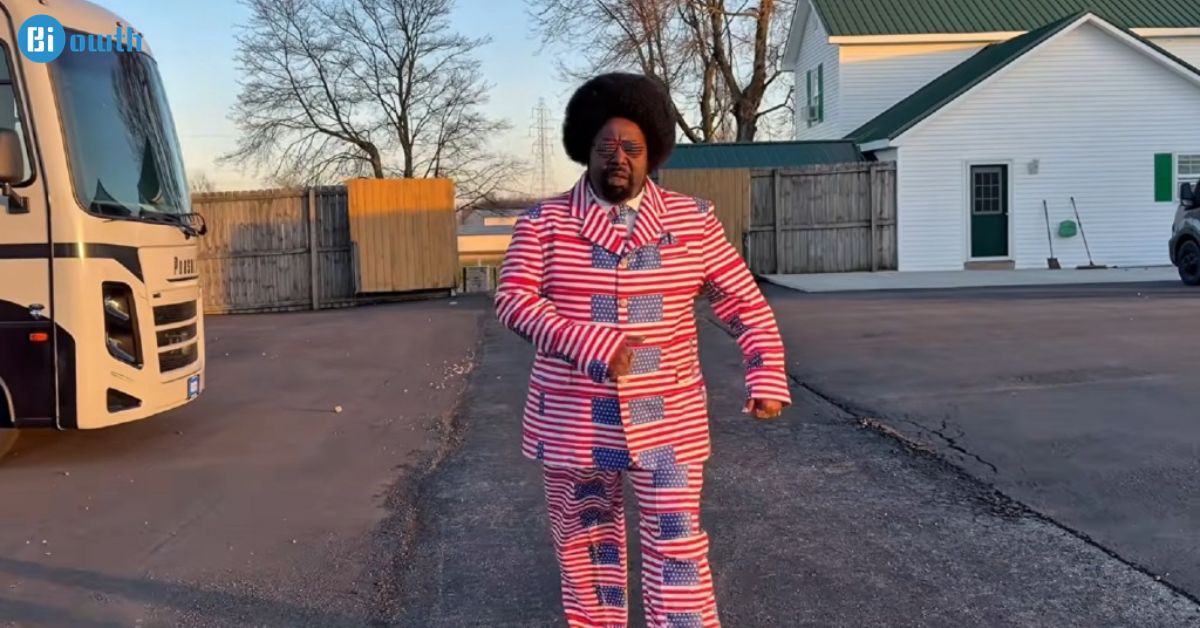
What Is Afroman’s Net Worth?
Afroman, born Joseph Edgar Foreman, is an American rapper and music entrepreneur best known for his viral hit Because I Got High. As of 2026, his estimated net worth is around $2 million, coming from music royalties, live performances, online streaming, and merchandising. Over the years, Afroman has shown the ability to turn viral content and internet fame into steady income.
Despite ups and downs in the hip-hop industry, he has remained an independent musician, releasing albums and touring without major label support. His wealth is not just from music sales; investments in real estate, including his Ohio property in Winchester, Ohio, also contribute to his financial portfolio. Fans often note that his humor in music and comedic rap style have kept his audience engaged for decades.
Afroman’s Income Sources
Afroman earns money from multiple channels. His independent albums like The Good Times and singles like Lemon Pound Cake generate music royalties through online music distribution and streaming platforms. Live performances and tours, both in the U.S. and internationally, provide another significant income stream. He also sells merchandise online, including t-shirts and limited edition items inspired by his songs. His viral fame on social media platforms like YouTube and TikTok boosts engagement and occasional sponsorship opportunities.
| Income Source | Estimated Annual Earnings |
| Streaming & Royalties | $300,000 |
| Live Performances & Tours | $500,000 |
| Merchandise Sales | $150,000 |
| Real Estate Investments | $100,000 |
| Total | $1,050,000 |
Early Life and Background
Joseph Edgar Foreman was born in Los Angeles, California, in 1974. He grew up surrounded by music, influenced by both West Coast hip-hop and local culture. His early years were marked by curiosity about creative expression, and he often performed for friends and family in small gatherings. Afroman later moved to Adams County, Ohio, where he began experimenting with instruments and writing his first songs.
In Winchester, Ohio, he developed a love for autobiographical songwriting, turning personal experiences into comedic storytelling. His upbringing shaped his unique style as a hip-hop artist, blending humor and social commentary. From a young age, he understood the power of internet platforms like Napster to share music independently, setting the stage for his career as an independent musician.
Musical Beginnings
Afroman started performing locally and selling homemade CDs. Early tracks like Will You Help Me Repair My Door showcased his novelty song style, combining storytelling with comedic punchlines. He used internet fame to reach audiences outside Ohio, creating a cult following that recognized his talent before mainstream success. These early performances laid the groundwork for his breakthrough with Because I Got High.
Rise to Fame With “Because I Got High”
Released in 2000, Because I Got High became a viral hit almost instantly. The song’s humorous take on procrastination and everyday life captured the attention of both fans and media. Its catchy rhythm and witty lyrics earned Afroman a Grammy nomination, solidifying his place in 2000s rap history. The song also highlighted his skill in comedic rap, a genre he would continue to explore throughout his music career.
The pop culture impact of the song cannot be overstated. It appeared in movies, TV shows, and commercials, giving him internet fame and widespread recognition. Even years later, viral music clips of him performing live or fan covers continue to circulate online, proving the longevity of his music career and the staying power of Because I Got High.
Cultural Impact of the Song
The song became a reference point for comedic storytelling in hip-hop. It influenced other West Coast hip-hop artists to blend humor with social commentary. Its popularity on social media influence platforms like YouTube made it a model for modern viral content, showing how an independent musician could achieve international fame without a major label.
Music Career and Independent Work
After his initial success, Afroman focused on building a music career on his own terms. He released independent albums like The Good Times, exploring themes of life, humor, and social commentary. His approach to online music distribution allowed him to retain control over his music and directly interact with fans. His live performances remained central to his income, with shows often featuring songs spanning his entire catalog.
Afroman also experimented with merchandising and internet platforms to reach audiences worldwide. This method created a sustainable model for an independent musician in a time when major labels dominated the industry. Fans appreciated the humor in music and personal touch in his songs, reinforcing his cult following and continuing relevance in the hip-hop scene.
Touring and Fan Engagement
Tours have been a major revenue source for Afroman. He connects with fans through interactive live performances, often adding storytelling elements between songs. His strategy of blending humor and music ensures music career longevity. Even small venues benefit from his pop culture impact, with audience engagement driving ticket sales and merchandise purchases.
Lawsuits, Legal Issues, and Controversies
Afroman’s career has faced challenges due to music controversies and legal disputes. Notable cases include a civil lawsuit involving defamation and emotional distress claims from his comedic storytelling. He has also defended his creative expression in a free speech lawsuit, showing his commitment to artistic freedom. These legal battles affected his public image but also reinforced his identity as a music entrepreneur willing to take risks.
Free Speech and Music Rights
Afroman has fought to protect his music videos and lyrics under free speech protections. The battles highlighted the tension between humor, social commentary, and legal boundaries in the hip-hop industry. Fans often see him as a comedic rap pioneer who prioritizes honesty and autobiographical songwriting despite potential backlash.
Police Raid, Viral Videos, and Public Attention
In 2022, Afroman faced a police raid at his Winchester, Ohio property involving sheriff deputies. The incident quickly became viral content, drawing attention from fans and media. Videos of the event circulated widely on social media influence platforms, increasing his internet fame. Despite the controversy, Afroman handled the situation with humor, maintaining his connection to fans.
Media Coverage and Fan Reactions
The viral music videos and internet platforms played a key role in spreading awareness of the incident. Fans reacted with support, emphasizing the pop culture impact of Afroman’s persona. The comedic storytelling in his response turned a tense moment into a moment of engagement, reinforcing his cult following and public image.
Style, Persona, and Cultural Influence
Afroman’s style and persona combine humor, authenticity, and casual West Coast flair. He is recognized for blending comedic rap with social commentary, creating songs that entertain while making subtle points about life. His public persona reflects a balance of humor in music and autobiographical songwriting, which has made him a memorable figure in pop culture.
Public Perception
Fans admire Afroman for his internet fame and viral music approach. Critics respect his music career longevity and ability to maintain relevance independently. His influence extends to younger hip-hop artists, showing that creative expression and humor can coexist with serious musical craftsmanship.
Real Estate, Lifestyle, and Earnings
Afroman invests smartly in real estate, including his Ohio property in Winchester, Ohio. His lifestyle is modest compared to other artists, focusing on creative freedom and financial independence. Earnings from live performances, merchandising, and online music distribution supplement his wealth, allowing him to balance a comfortable life with continued artistic output.
Financial Management
Afroman’s financial choices reflect careful planning. Investments in Ohio property and small-scale real estate provide stable returns. Combining independent albums, viral music, and merchandising has ensured steady income despite music controversies and industry shifts.
Net Worth Breakdown by Year (2020–2026)
Afroman’s net worth has fluctuated with viral hits, tours, and media attention. Below is a table illustrating his estimated net worth over recent years:
| Year | Estimated Net Worth | Key Highlights |
| 2020 | $1.5 million | Album releases, small tours |
| 2021 | $1.6 million | Increased streaming revenue |
| 2022 | $1.8 million | Viral videos, police raid attention |
| 2023 | $1.9 million | New live performances, merchandising |
| 2024 | $2 million | Online music distribution growth |
| 2025 | $2 million | Cult following expansion |
| 2026 | $2.05 million | Ongoing independent projects and real estate |
Future Projects and Career Outlook
Afroman continues to work on new independent albums and live performances, exploring collaborations with emerging artists. Fans can expect more viral music and humorous comedic storytelling. His approach emphasizes creative expression, showing that music career longevity can thrive outside traditional label systems.
Fan Expectations and Legacy
Fans look forward to Afroman’s continued influence on hip-hop, particularly in comedic rap and pop culture impact. With a strong cult following, social media influence, and commitment to autobiographical songwriting, he remains a model for independent artists seeking success on their own terms.

I am a professional writer specializing in culture, media, and heritage, delivering unique, well-researched stories that inspire readers.