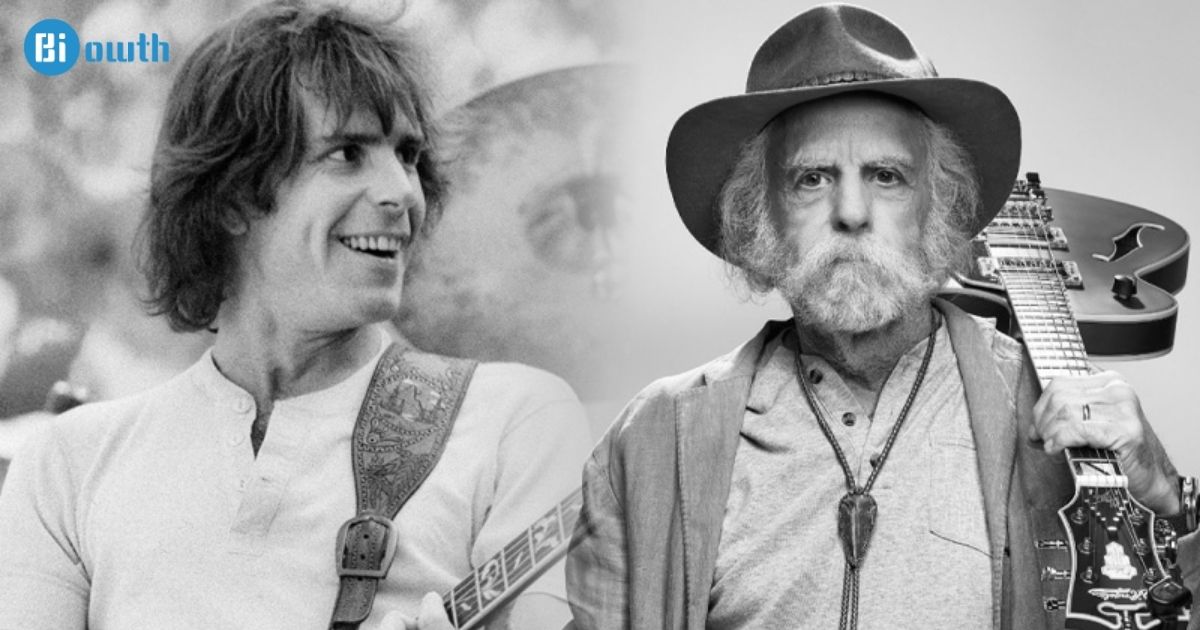
Bob Weir is a towering figure in modern American music, and his story answers the question of how one artist can shape culture for generations. As a Grateful Dead founding member, he helped build the language of live improvisation and stretched the boundaries of jam band music. Listeners know him as an American singer-songwriter, adventurous rhythm guitarist, and creative collaborator whose work links folk, country, blues, and psychedelic rock. His career spans decades of touring, new projects, and continued reinvention, reflected in honors such as the Rock and Roll Hall of Fame. When people ask who Bob Weir is, they discover a life devoted to songs, community, and musical exploration.
Who is Bob Weir?
Early life
The early life of Bob Weir, born October 16, 1947, began under the name Robert Hall Weir. He was born in San Francisco, adopted as a child, and raised mainly in Atherton and Palo Alto in California. He faced dyslexia in school, which made reading hard but made music feel natural. He found strength not in books but in sound, rhythm, and performance. His childhood was filled with curiosity and restlessness, and that led him toward guitars and songs. That early spark became the beginning of his long life in rock and jam band culture.
As a teenager, Bob Weir spent time in music stores and coffee shops. In one of those places he met Jerry Garcia, and that meeting changed American music. Weir started playing as a rhythm guitarist, learning chords, stages, and the feeling of live crowds. His early years taught him independence and creativity. They shaped the man who would later stand on the biggest stages, from Chicago to Royal Albert Hall, and help create concerts that lasted hours. His early life is the true beginning of “Who is Bob Weir? Early Life, Career Beginnings, and Rise in Music.”
Career
The career of Bob Weir is deeply linked with the band Grateful Dead. Together with Jerry Garcia, Phil Lesh, Mickey Hart, and Bill Kreutzmann, he built a new sound in American music. This sound mixed psychedelic rock, folk, country, blues, and long improvisations. The band became famous for live shows, loyal fans, and a lifestyle built around concerts. After the 1995 disbanding of Grateful Dead, Weir continued to perform with groups such as RatDog, Furthur, The Other Ones, Planet Drum, and later Dead & Company with John Mayer, Oteil Burbridge, and Jeff Chimenti. At different times, he also worked with Trey Anastasio and Bruce Hornsby.
His solo and side projects also show his creative growth. Albums like Ace and Blue Mountain explored Americana, folk rock, and country rock themes. His work appears on classic records such as Aoxomoxoa, Wake of the Flood, and Shakedown Street. He helped keep jam band music alive for new generations in the USA. He stood on major stages including the Las Vegas Sphere and received honors such as the Rock and Roll Hall of Fame, Kennedy Center Honors, and Les Paul Spirit Award. He also took part in events such as MusiCares Person of the Year. The career of Bob Weir answers “Who is Bob Weir?” by showing a lifetime spent on stage as a rock and roll guitarist and American singer-songwriter.
Rise of Who is Bob Weir? Early Life, Career Beginnings, and Rise in Music
The rise of Bob Weir came from constant touring, bold songwriting, and deep connection with fans. The USA audience followed the Dead across states, creating a community around music. This rise was not sudden but slow, strong, and lasting.
Key Bands and Collaborations
Table: Important Bands and Years
| Band or Project | Key Members | Notable Facts |
| Grateful Dead | Bob Weir, Jerry Garcia, Phil Lesh, Mickey Hart, Bill Kreutzmann | Major force in psychedelic rock and jam band music |
| Dead & Company | Bob Weir, John Mayer, Oteil Burbridge, Jeff Chimenti, guest Bill Kreutzmann | 2015 formation of Dead & Company |
| RatDog | Bob Weir and collaborators | Known for blues and improvisation |
| Wolf Bros | Bob Weir and ensemble | Expanded into symphony project |
| Bobby and the Midnites | Bob Weir and band | 1980s project |
| Kingfish | Bob Weir and Bay Area musicians | Country rock influence |
Bobby Weir & Wolf Bros symphony project
The Bobby Weir & Wolf Bros symphony project shows another side of Bob Weir. He began Wolf Bros as a smaller group, then expanded it into orchestral performances with full symphony arrangements. This brought jam band music into classical halls, mixing guitars with strings and horns. It created a fresh sound while still honoring Grateful Dead songs and American roots music. The project connected young fans with older Deadheads across the USA.
This symphony version of Wolf Bros performed at major venues and streamed through TRI Studios. The arrangements showed how flexible Weir’s songs are, moving from small clubs to world stages. It also highlighted his role as a lifelong innovator rather than only a nostalgia musician. The project became an example of how “Who is Bob Weir? Early Life, Career Beginnings, and Rise in Music” continues to grow even after many decades.
Personal life and death
In his personal life, Bob Weir has been known as a private and thoughtful person. He has relationships, family stories, and strong friendships with people like Jerry Garcia and John Perry Barlow and others from the music world. He married Natascha Münter and is connected to Leilani Münter. Earlier in life he also had a relationship with Frankie Hart. He has lived in places such as San Francisco, Atherton, and Palo Alto and traveled across America for tours. He has been active in charity, environmental causes, and social work.
The heading includes the word death, but Bob Weir is alive. At times there have been rumors online or worries about health, including talk about cancer diagnosis or lung issues, but information around such topics should always come from verified public statements. The important fact is that his legacy continues to grow. His music still plays at events like the Dead Ahead Festival and in new projects such as Dead & Company. His influence shows how a life in music can last for many generations.
Guitars
The guitars of Bob Weir are central to his sound. As a rhythm guitarist, he used complex chords and unusual timing to support jams and long improvisations. Through the years he played many instruments and worked with builders to design special guitars. His tone blends rock, blues, country, and psychedelic rock colors. These guitars helped shape the sound of Grateful Dead, RatDog, Wolf Bros, Kingfish, and many other groups.
He used classic electric guitars and custom models built for extended live playing. His technical setup changed over time as music technology changed. He is known for experimenting and shaping sound in new ways. His guitars are part of the answer to “Who is Bob Weir? Early Life, Career Beginnings, and Rise in Music” because they became tools that carried songs across thousands of shows in the USA.
Table: Important Albums and Styles
| Album | Artist | Main Style |
| Ace | Bob Weir | rock, jam band, Americana |
| Blue Mountain | Bob Weir | folk, country, Americana |
| Aoxomoxoa | Grateful Dead | psychedelic rock |
| Wake of the Flood | Grateful Dead | rock and folk rock |
| Shakedown Street | Grateful Dead | rock and blues |
Case study: The continuing life of Who is Bob Weir? Early Life, Career Beginnings, and Rise in Music
A strong case study is Dead & Company, formed after the 1995 disbanding of Grateful Dead and officially recognized as the 2015 formation of Dead & Company. With Bob Weir, John Mayer, Oteil Burbridge, and Jeff Chimenti, the band carried songs to new audiences. Concerts in Chicago, Las Vegas Sphere, and other major American cities showed how his music still fills large venues. This proves that his career is not only past history but living culture.
Quotes
Music is a conversation that never ends, is an idea often linked with the spirit of Bob Weir, even when not given as a direct quotation. Fans of Grateful Dead say the songs feel alive each night because of him. His life answers the question “Who is Bob Weir?” through sound and connection.
Conclusion
The story of Bob Weir is the story of Robert Hall Weir, a boy from California who became a major figure in American music. His early life shaped his art, his career with Grateful Dead changed culture, and his later projects like Dead & Company and Wolf Bros kept the music alive. His honors such as Rock and Roll Hall of Fame, Kennedy Center Honors, and Les Paul Spirit Award show his importance. Today, his work continues to inspire jam band music, psychedelic rock, Americana, folk, country, and blues artists across the USA. This is the true meaning of “Who is Bob Weir? Early Life, Career Beginnings, and Rise in Music.”

I am a professional writer specializing in culture, media, and heritage, delivering unique, well-researched stories that inspire readers.
1 thought on “Who is Bob Weir? Early Life, Career Beginnings, and Rise in Music”