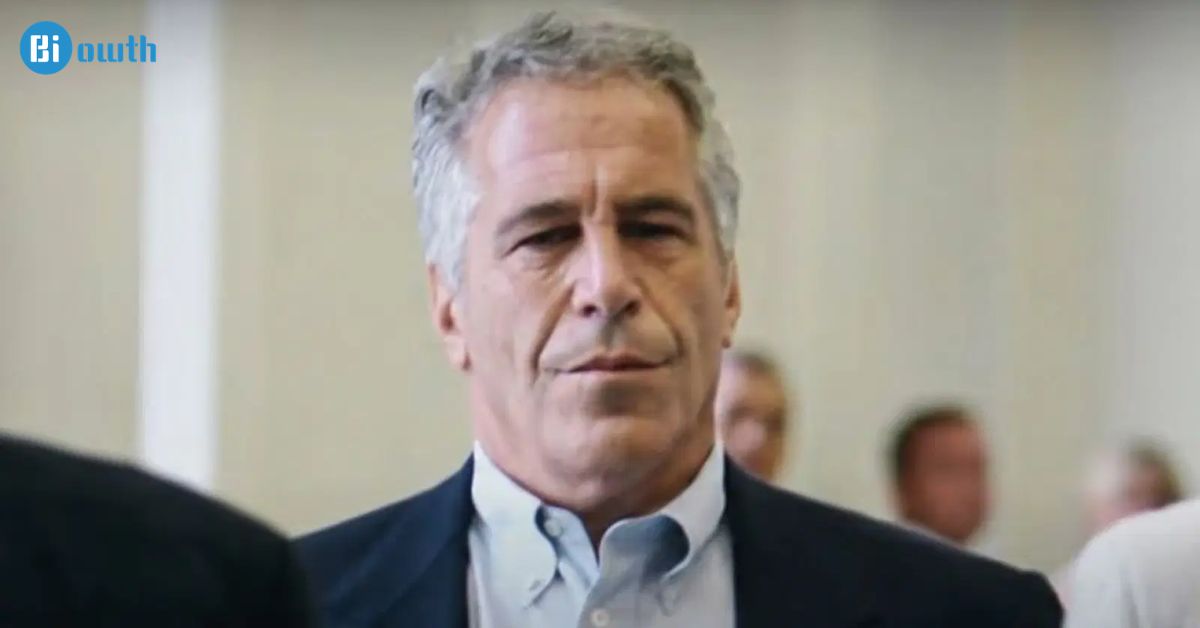
Jeffrey Epstein Net Worth has fascinated the world for years because it combined immense wealth with scandal and controversy. At the time of his death, Epstein was estimated to be worth around $500 million, thanks to his work in finance, high-profile clients, and shrewd investments.
He owned luxurious properties, including a Manhattan mansion, a Palm Beach estate, a New Mexico ranch, a Paris apartment, and private islands in the U.S. Virgin Islands. Epstein’s fortune was not just from traditional investments; it also grew through connections with billionaire clients like Leslie H. Wexner and Leon Black. His wealth and lifestyle reflected both ambition and secrecy, making his story infamous worldwide.
Introduction to Jeffrey Epstein
Jeffrey Epstein was one of the most controversial figures in modern finance. Known for his wealth and connections, he fascinated the public not only because of his fortune but also because of his crimes and social circle. From Wall Street beginnings to owning private islands, Epstein’s life drew attention from journalists and investigators alike. His story is a mix of charm, cunning, and scandal, making him a figure that people still talk about today.
Epstein’s elite social circle included some of the richest and most powerful people in the world. Politicians like Donald Trump and Bill Clinton, as well as celebrities such as Michael Jackson and intellectuals like Noam Chomsky, were often photographed with him. The combination of social connections, vast wealth, and controversial behavior made his life both influential and infamous. Understanding how he built his fortune reveals a mixture of finance, manipulation, and strategic relationships.
Early Life and Education
Jeffrey Epstein was born on January 20, 1953, in Brooklyn, New York. His mother, Paula, was a homemaker, and his father, Seymour, worked as a gardener. Epstein grew up in the middle-class neighborhood of Sea Gate, Brooklyn. He showed early talents in mathematics and music, skipping two grades and attending Lafayette High School. Later, he studied at Cooper Union and then at the Courant Institute of New York University, though he did not graduate.
During the 1970s, Epstein taught physics and mathematics at the prestigious Dalton School in Manhattan. Many of his students came from wealthy families, giving him early access to influential social circles. Parents and colleagues described him as charismatic, though unconventional. One student’s father later introduced Epstein to Alan Greenberg, the CEO of Bear Stearns, marking the start of his entry into finance. These early connections laid the foundation for his finance career and eventual net worth.
Career in Finance
Epstein began his finance career at Bear Stearns, quickly rising through the ranks thanks to his persuasive skills and keen understanding of investment strategies. He became a limited partner at the firm and learned how to manage wealth for high-profile clients. His early deals showcased a mix of boldness, charm, and risk-taking, helping him gain credibility among billionaire clients. Despite controversies at Bear Stearns, including misrepresenting his education and personal investments, Epstein used every opportunity to network.
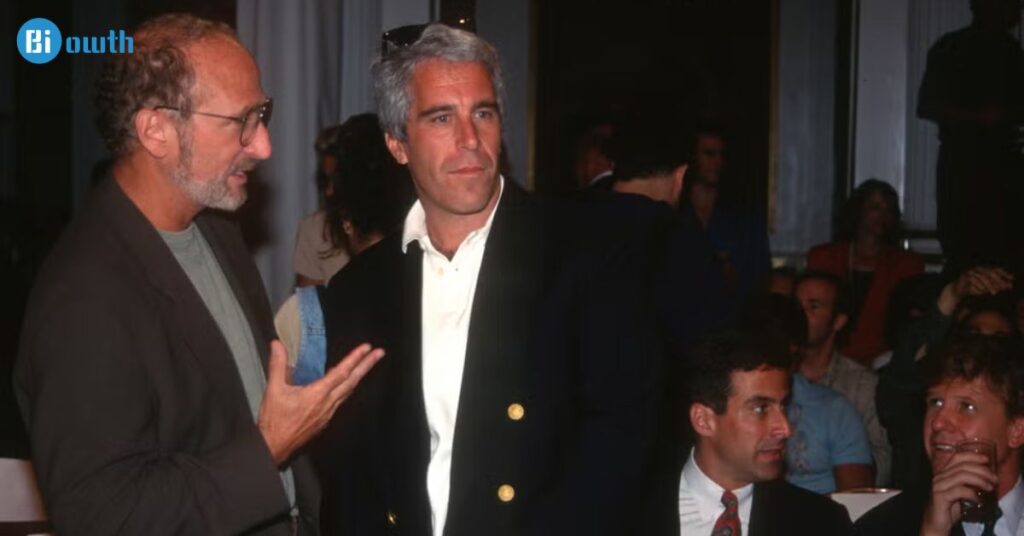
In 1988, Epstein founded J. Epstein & Company, a financial management firm serving clients with over $1 billion in assets. His biggest client was Leslie H. Wexner, founder of Victoria’s Secret and other major retail brands. Epstein had nearly unlimited access to Wexner’s fortune, acting as power of attorney and managing investments. Later, he worked with Leon Black, who paid him over $150 million for estate and tax planning. Through these relationships, Epstein’s wealth expanded dramatically, making him one of the most powerful money managers of his time.
Wealth Accumulation and Business Ventures
Epstein’s fortune grew through a mix of financial deals, strategic investments, and luxury assets. He invested millions in Valar Ventures, a firm backed by Peter Thiel, demonstrating his ability to spot profitable opportunities. He also leveraged tax laws in the U.S. Virgin Islands, setting up companies in the tax haven to reduce liabilities. These moves reportedly saved him hundreds of millions over decades.
His luxury properties added tangible value to his fortune. Epstein owned a Manhattan mansion, a Palm Beach estate, a New Mexico ranch, and a Paris apartment. He also controlled Little St. James and Great St. James islands, which became infamous for alleged crimes. Epstein’s collection included luxury vehicles, private jets, and expensive artwork. These assets not only reflected wealth but also enhanced his social standing among the elite social circle.
Notable Connections and Influence
Epstein cultivated relationships with celebrities, politicians, and intellectuals to strengthen his influence. He knew Donald Trump, Bill Clinton, Michael Jackson, and Noam Chomsky, attending parties and high-profile events. His network provided credibility, access, and protection, allowing him to operate in elite circles while building wealth.
The power of these social connections was immense. He attended White House events, collaborated with Ghislaine Maxwell, and even mingled with royalty like Andrew Mountbatten-Windsor. These relationships helped him gain clients and maintain his fortune. They also provided a shield of respectability that concealed his criminal activities for years.
Criminal Allegations and Convictions
Epstein’s criminal record began in the mid-2000s when authorities investigated child abuse allegations in Palm Beach. He faced charges of sexual misconduct with minors and entered a controversial plea deal in 2008. Despite pleading guilty to state charges, Epstein avoided federal prosecution, spending just 13 months in jail with work release privileges.
In 2019, Epstein was arrested on federal sex trafficking charges. Allegations included recruiting underage girls and maintaining a network of abuse with Ghislaine Maxwell. His arrest drew worldwide attention and reopened scrutiny of his prior finance career and elite connections. Victims such as Virginia Giuffre became central figures in legal and media coverage.
Death and Controversy
On August 10, 2019, Epstein died in a Manhattan jail cell, officially by suicide. His death occurred while awaiting trial, sparking immediate controversy. Irregularities in jail protocols, camera malfunctions, and removed cellmates fueled public suspicion.
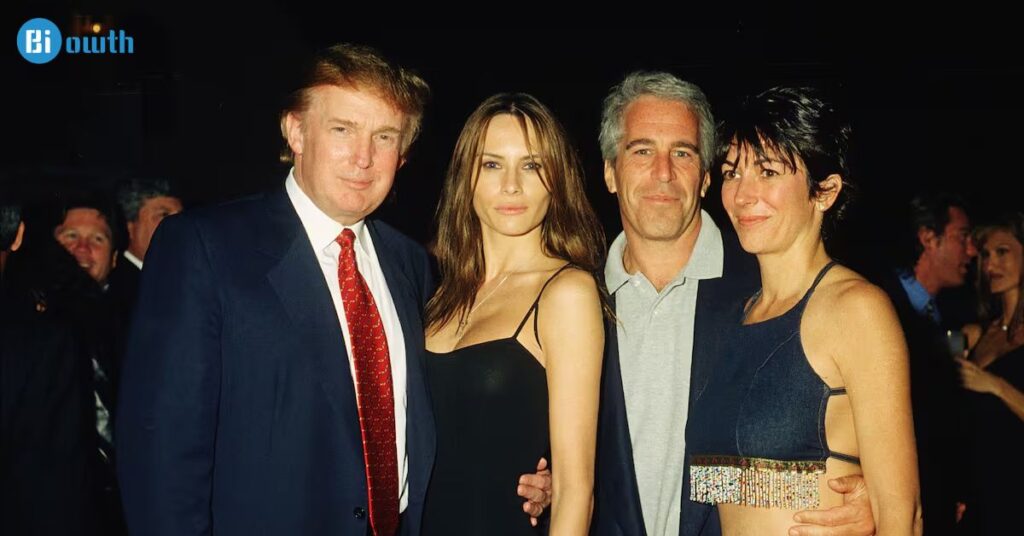
Media coverage highlighted the tension between Epstein’s wealth, power, and criminal record. Many speculated about whether justice had been served. His death left unresolved questions about his clients, assets, and the true extent of his operations.
Conspiracy Theories and Speculations
Epstein’s death led to numerous conspiracy theories, particularly regarding a supposed “client list” of high-profile individuals. Some suggested murder rather than suicide, given his elite connections and controversial activities.
Speculations included involvement of politicians, business leaders, and celebrities. The Lolita Express, his private jet, became symbolic of potential hidden networks. While evidence is inconclusive, public fascination remains high, and these stories continue circulating in media and online discussions.
The Epstein Files and Ongoing Investigations
The release of the Epstein Files revealed emails, photographs, and documents involving his associates and elite contacts. Thousands of pages have been made public, sparking legal battles, political debates, and media coverage.
Investigations continue into financial misconduct, sex trafficking, and the handling of evidence. Documents mention Donald Trump, Bill Clinton, and other figures, though inclusion does not imply wrongdoing. The files remain a critical source for understanding Epstein’s wealth and the scope of his operations.
Legacy and Public Impact
Jeffrey Epstein’s fortune and criminal actions left a complicated legacy. His wealth illustrates how finance, elite networks, and manipulation can create immense fortunes. Yet, his crimes also brought attention to sexual abuse, the justice system, and power dynamics in society.
The public impact of Epstein’s life extends to law reforms, awareness campaigns, and cultural discussions. Survivors like Virginia Giuffre continue to advocate for accountability, ensuring that the shadow of Epstein’s luxury properties, private islands, and elite social connections cannot hide the consequences of his actions.

I am a professional writer specializing in culture, media, and heritage, delivering unique, well-researched stories that inspire readers.